Most of us have medications that we no longer take, are old, have expired, or were used
by someone who died. Many of these unwanted medications contain compounds that are known
sometimes as emerging substances of concern. Some of these substances, like synthetic
estrogen used in hormone replacement therapy, are considered to be endocrine disruptors
that may interfere with or modify hormone processes within an organism. Others, such as
sedatives, can affect or modify central nervous system activity. Low levels of antibiotics
can lead to the development of antibiotic-resistant strains of harmful bacteria. Emerging
substances of concern also include compounds that are used to enhance consumer goods, for
example flame retardant coatings on television and computer monitor plastic housings, or
to optimize agricultural production, e.g., pesticides.
Emerging substances of concern may be found in very low concentrations in surface water,
ground water, domestic wastewater, industrial wastewater, agricultural runoff, reclaimed
water, and other waters. It is not surprising that we are finding these compounds since
they are associated with human activity and scientists are now actively looking for emerging
substances of concern and have the analytical tools to find them at very low concentrations.
Many of these compounds are used to enhance our quality of life by
protecting human health, enhancing consumer goods, and optimizing agricultural production.
It is inevitable that small amounts of these compounds will be released to the environment.
It is also likely that these compounds have been there for decades and have remained undetected
until the recent development of analytical methods to enable their identification and quantification.
While the concentrations of these substances found in our water bodies are hundreds or
thousands of times lower than the therapeutic dosages found in the medications that we take,
research
has shown that there can be effects on aquatic organisms like fish and frogs. An internal
Department working group provides a
more technical perspective on the research,
analytical methods and effects of these compounds. At this time, no research has shown that
concentrations of these substances reported in recent studies pose a threat to drinking water
supplies. Research is ongoing, especially on the effects of multiple chemical constituents at
low concentrations. A Department report,
Emerging Substances of Concern
(December 2008), summarizes the conclusions of this workgroup that was formed to evaluate
strategies to effectively address a wide variety of potential emerging substances of concern.
We can reduce the amount of these substances by
properly disposing of unwanted medications
(en Español).
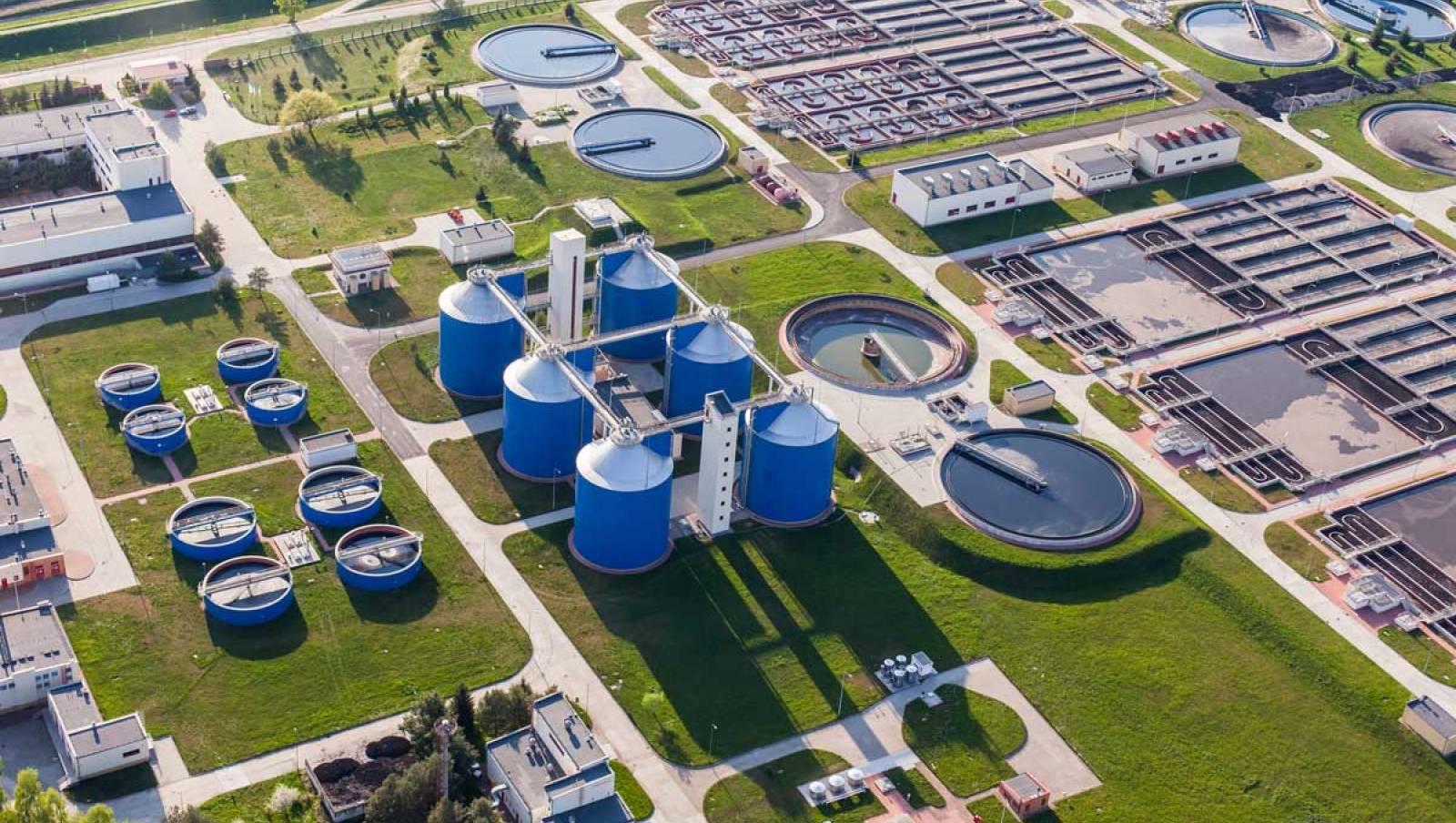
Expired or unwanted prescription and over-the-counter medications from households are typically
disposed of by flushing them down the toilet or a drain. Although this method of disposal prevents
immediate accidental ingestion, it can cause contamination in our aquatic environment because
wastewater treatment systems, including septic tanks, are not designed to remove many of these
medications.
As time goes on, there are more and more medication disposal sites and drop off events in Florida. Click
here
for a current list. If you cannot find a disposal site or drop off event, place the medications
in the household trash after taking
precautions
(en Español)
to prevent accidental ingestion by humans or animals.
Disposal of unwanted medications from commercial facilities such as pharmacies, medical facilities and
veterinary operations are subject to different regulations than those that apply to medications from
household uses. Those facilities should contact the
Department's headquarters
for guidance.
If you have any questions or would like additional information,
please contact
Laurie Tenace
at (850) 245-8759.