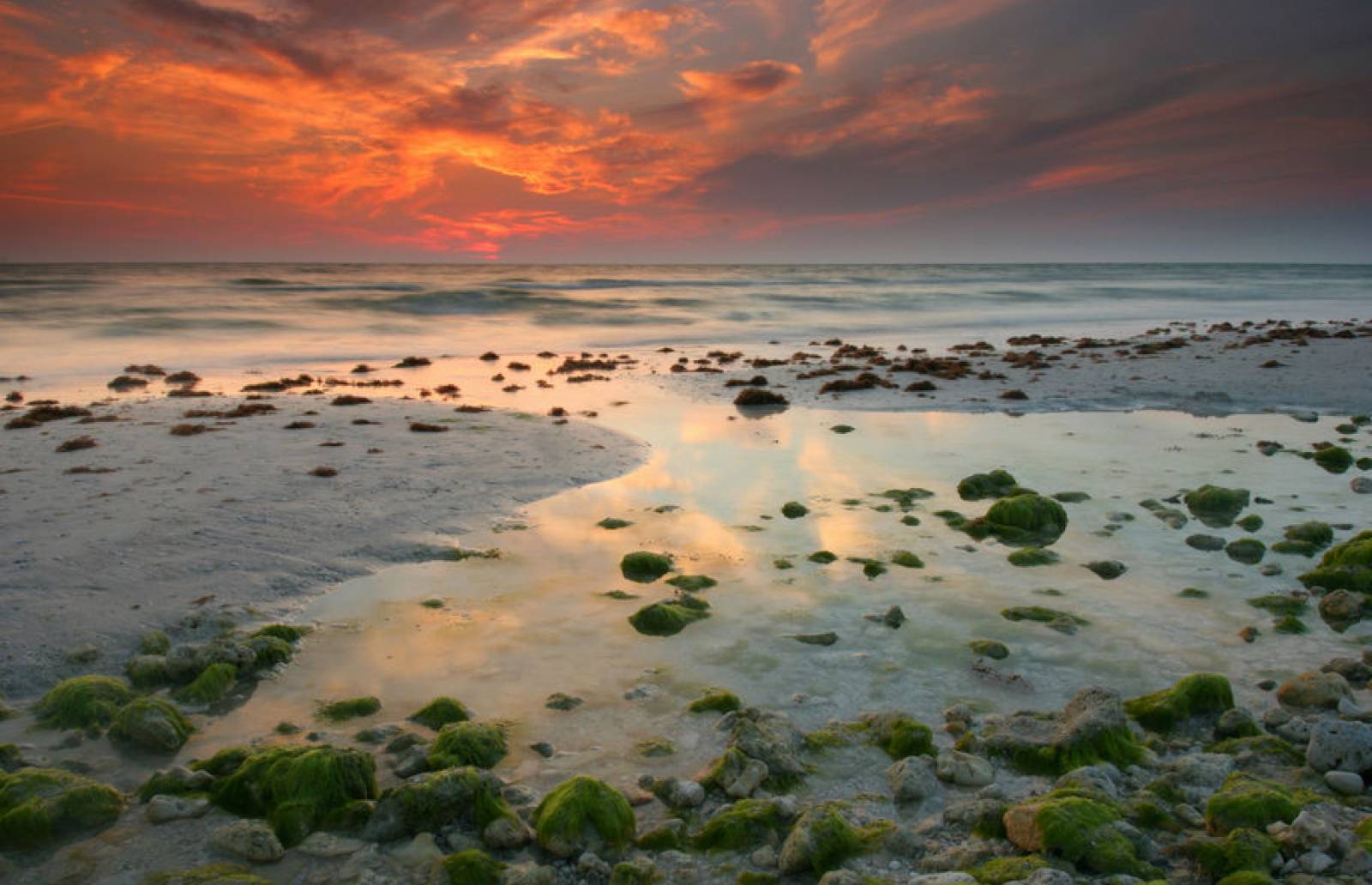
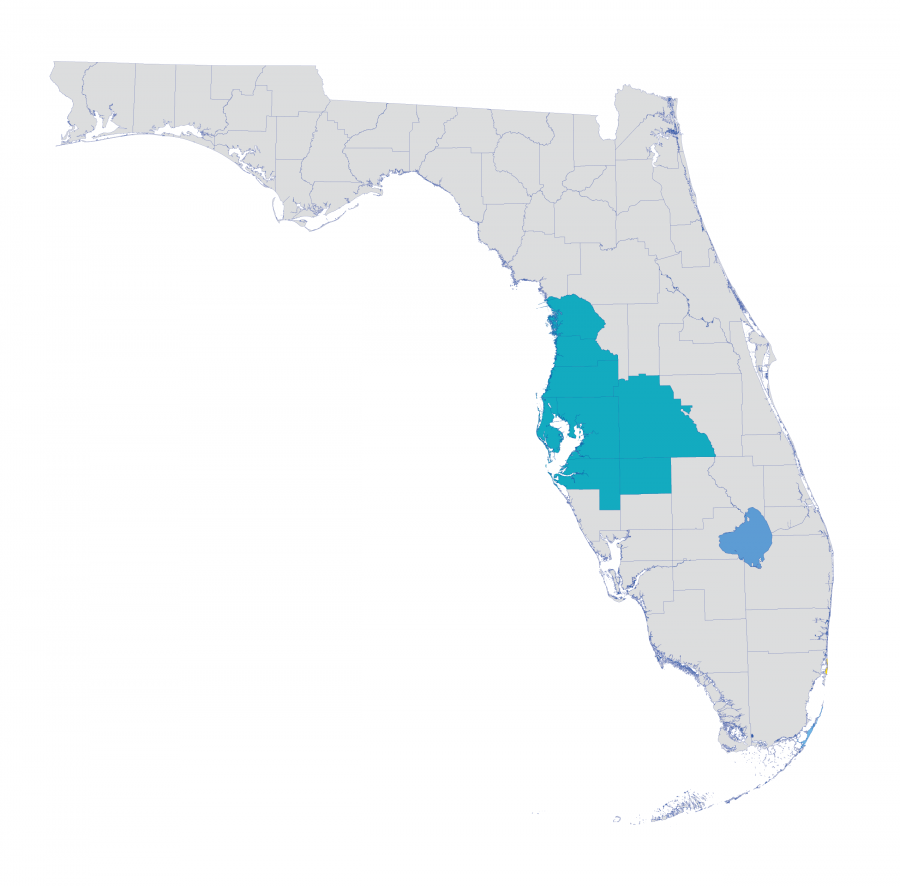
The Southwest District is home to Tampa Bay, Florida's largest open-water estuary which encompasses nearly 400 square miles. We also enjoy a variety of scenic waterways including the Myakka River, Homosassa Springs, Hillsborough River, Manatee River, Withlacoochee River and portions of the Peace River. The best of our coastal landscapes have been set aside for protection as aquatic preserves. Cockroach Bay, Terra Ceia, Boca Ciega Bay and Pinellas County aquatic preserves are all situated in the Southwest District.
Jurisdiction: Citrus, Hardee, Hernando, Hillsborough, Manatee, Pasco, Pinellas and Polk counties.
Kelley M. Boatwright, Director, Southwest District
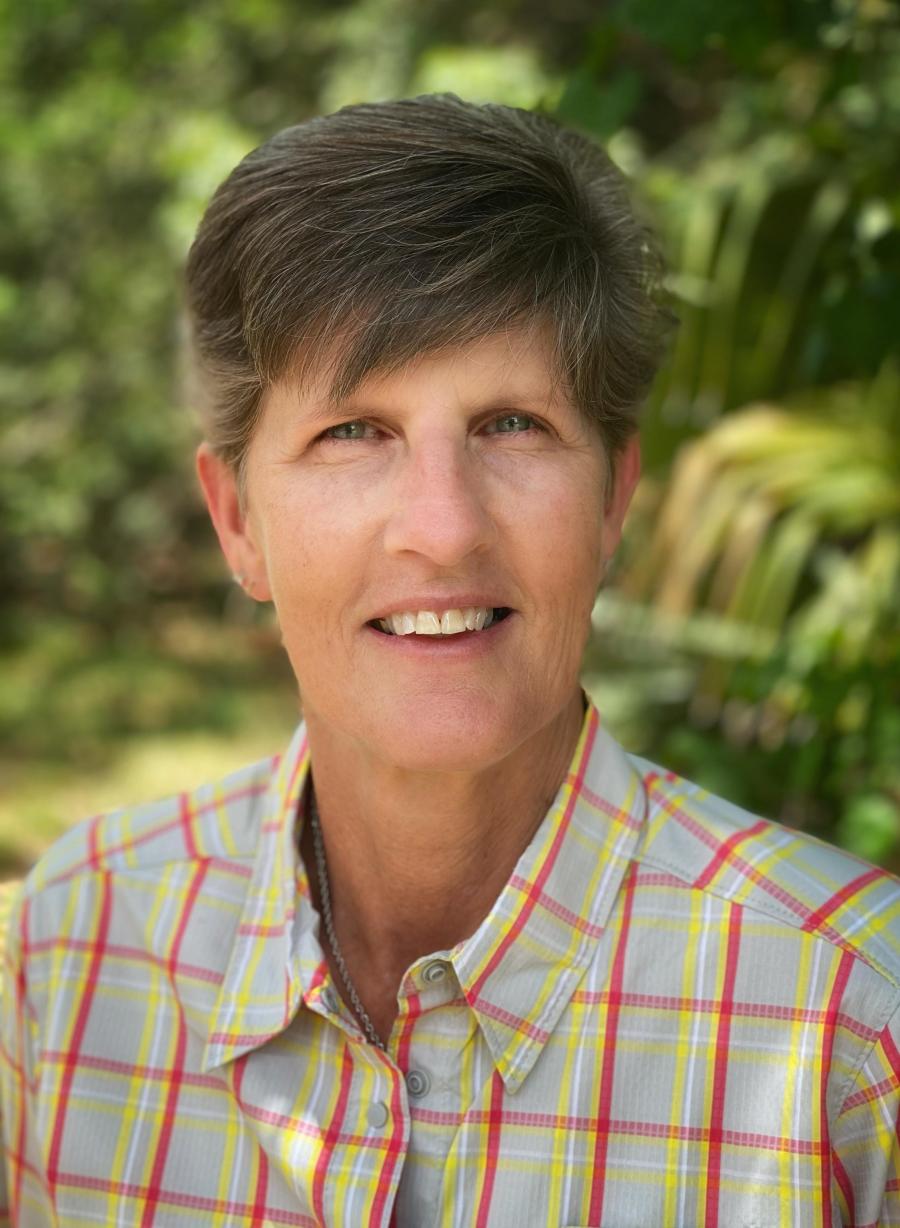
Kelley Boatwright has worked in the environmental industry for more than 35 years. She began her career with the Environmental Protection Commission of Hillsborough County where she was awarded for her performance as a Certified Sterling Examiner.
Kelley joined DEP in 2012 as the Permitting Program Administrator, later becoming the District Assistant Director in 2016, where she was responsible for overseeing the district’s Compliance Assurance Program. Kelley is a native Floridian and earned her bachelor’s degree from the University of South Florida.
Citizen questions or complaints; Outreach requests; Legislative requests; Media inquiries; Public Records Requests
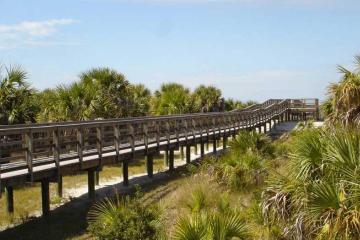
DEP's goal is to achieve compliance with environmental regulations to protect Florida's resources.
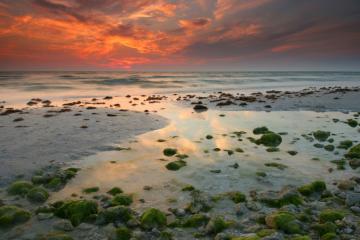
Environmental permits serve a valuable role in minimizing potential environmental disruption.
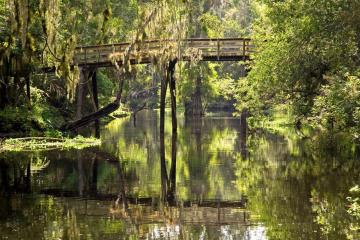
The Southwest District, with headquarters in Tampa, is DEP's regulatory office for 8 southwest Florida counties.
Interested in subscribing to DEP newsletters or receiving DEP updates through email?
Sign UpThe Florida Department of Environmental Protection is the state’s lead agency for environmental management and stewardship – protecting our air, water and land. The vision of the Florida Department of Environmental Protection is to create strong community partnerships, safeguard Florida’s natural resources and enhance its ecosystems.
Learn More