
Florida Department of Environmental Protection Florida Department of Environmental Protection
 
* DEP Home * About DEP * Programs * Contact * Site Map * Search
MyFlorida.com  

Resources for:
Information
Subscribe to DEP News & Info

Unless indicated, documents on this Web site are Adobe Acrobat files, and require the free reader software.

Get Adobe Reader Icon


Employ Florida - Help Finding A Job button

Florida has a right to know button

Report Waste, Fraud and Abuse button

Policy & Budget Recommendations button

Press Office
FOR IMMEDIATE RELEASE: December 18, 2009
CONTACT: Dee Ann Miller, (850) 245-2112 or (850) 519-2898


DEP Releases Lower St. Johns River Tributaries Basin Management Action Plan

--Program moves aggressively forward with cooperation of local, regional stakeholders--

TALLAHASSEE - The Florida Department of Environmental Protection (DEP) today announced adoption of the Lower St. Johns River (LSJR) Tributaries Basin Management Action Plan (BMAP). The action plan, developed in partnership with City of Jacksonville, Duval County Health Department, Florida Department of Transportation, and JEA (regional utility provider) identifies actions to decrease fecal coliform bacteria in 10 water bodies within the LSJR Basin. These water bodies are Newcastle Creek, Hogan Creek, Butcher Pen Creek, Miller Creek, Miramar Creek, Big Fishweir Creek, Deer Creek, Terrapin Creek, Goodbys Creek, and Open Creek.

Water quality restoration targets, called Total Maximum Daily Loads (TMDLs), were adopted by DEP for the 10 water bodies. The TMDLs establish the amount of reduction of fecal coliform bacteria that is needed to restore the beneficial uses of these water bodies. The TMDLs require reductions in fecal coliform bacteria ranging from 60 to 92 percent in order to meet water quality standards. The BMAP lists the steps that must be taken to reduce bacteria, a schedule for their implementation, and potential resources to accomplish the reductions.

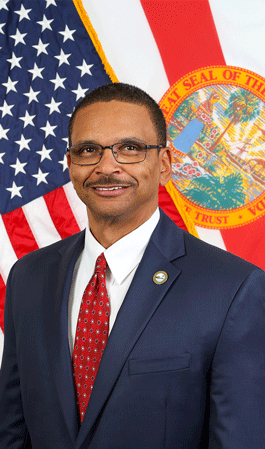
“This effort demonstrates the commitment of local governments and stakeholders to the restoration of water bodies in their part of the state,” said DEP Secretary Michael W. Sole. “To the credit of local government, many projects have been implemented in advance of finalizing the restoration plan.”

The LSJR Tributaries BMAP was developed under DEP’s comprehensive approach to identify polluted waterways and build partnerships with local, regional, and state interests to return the water bodies to a healthy condition. Through its science-based program, DEP determined that these LSJR tributaries did not meet Florida’s water quality standards and, therefore, established restoration targets and worked in collaboration with local stakeholders to create the BMAP. The local stakeholders identified more than 480 projects to achieve restoration in these water bodies and have committed to monitoring to ensure restoration occurs and to identify additional fecal coliform sources.

Jacksonville Mayor John Peyton cites the city’s new Stormwater Utility as a key to restoration projects in addressing bacterial contamination. “The stormwater utility fee funds many of the projects and all of the monitoring activities that will, over time, improve the health of our tributaries and consequently the St. Johns River. It is another component of the city’s commitment to restore the health of our waterways under the River Accord, a 10-year multi-agency initiative that charts a path of continual improvement for local agencies when it comes to water quality. We look forward to partnering with DEP and other stakeholders on the next phase of the BMAP process, when an additional 15 tributaries will be the focus,” said Mayor Peyton.

Examples of significant project commitments include:

  • City of Jacksonville – Prioritization of septic tank phase-out in these 10 tributaries, inspections of private wastewater infrastructure, capital improvement projects to reduce flooding issues, and identification and removal of illicit connections to the stormwater system.
  • Duval County Health Department – Site-specific septic tank inspections in four tributaries that have areas identified as high risk for failure, septic tank failure area ranking, and permit reviews.
  • Florida Department of Transportation – Maintenance of stormwater conveyances and identification and removal of illicit connections to the stormwater system.
  • JEA – Upgrades, inspections, and maintenance of sewer infrastructure and implementation of proactive programs to prevent issues with the wastewater collection system.

“This BMAP represents important commitments by the Jacksonville stakeholders to address bacterial contamination. A comprehensive effort, it addresses all the potential sources of bacterial contamination and recognizes the efforts of the organizations who are managing those sources,” said DEP Deputy Secretary Mimi Drew. “I commend these organizations for establishing a series of actions to manage bacteria pollution; together we have established a plan to reduce pollution in ten of the most at-risk tributaries in the basin.”

Proposed actions include improvements in stormwater management, implementation of corrective actions for sewer system failures, removal of failing septic tanks, field investigations to better identify and mitigate pollutant sources, and ongoing public education programs. The stakeholders have already implemented many of these actions and the remaining projects will be in place within the next five years.

To view the BMAP, visit ftp://ftp.dep.state.fl.us/pub/water/BMAP/LowerStJohns/Tribs_FC_BMAP_I/.

For more information about DEP’s water quality protection and restoration programs, visit: http://www.dep.state.fl.us/water/tmdl/index.htm.

water drop on faucet

"This effort demonstrates the commitment of local governments and stakeholders to the restoration of water bodies in their part of the state."

Michael W. Sole
DEP Secretary

–30–

09–297

Last updated: December 18, 2009

   3900 Commonwealth Boulevard M.S. 49   Tallahassee, Florida 32399 | 850-245-2118 (phone) / 850-245-2128 (fax) |  Email DEP 
DEP Home | About DEP  | Contact Us | Search |  Site Map