
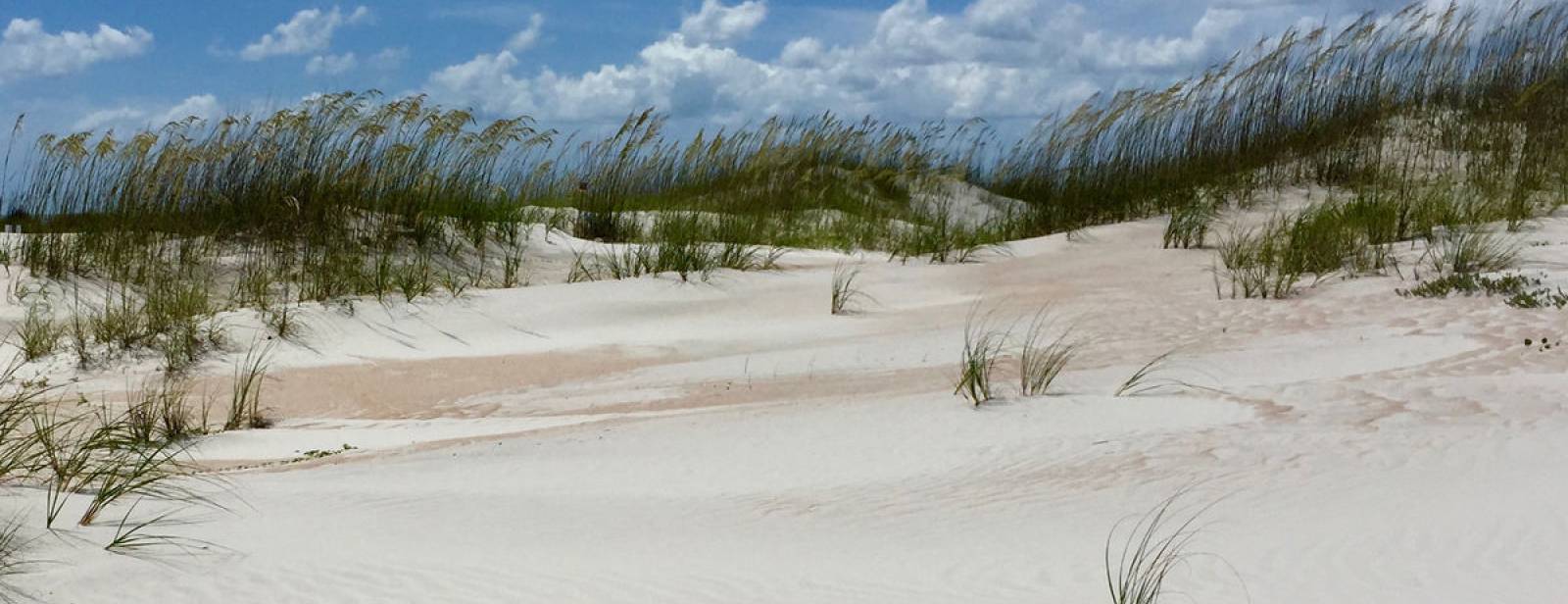
The first four-time winner of the Gold Medal honoring the nation's best state park system, the Florida Park Service is one of the largest in the country with 175 state parks, trails and historic sites spanning nearly 800,000 acres and 100 miles of sandy white beach. From swimming and diving in Florida's rivers and springs to birding and fishing or hiking and riding on natural scenic trails, Florida's state parks offer year-round outdoor activities for all ages. Battle reenactments and Native American festivals celebrate Florida's history, while art shows, museums and lighthouses offer a window into Florida's cultural heritage.
The goal of the Florida Park Service is to create a sense of place by showing park visitors the best of Florida's diverse natural and cultural sites. Florida's state parks are managed and preserved for enjoyment by this and future generations through providing appropriate resource-based recreational opportunities, interpretation and education that help visitors connect to the Real FloridaSM. Learn more at FloridaStateParks.org.


Provides technical and professional services to preserve and manage the natural and cultural resources in Florida's state parks.
A comprehensive inventory of the existing outdoor recreation resources and facilities in Florida.
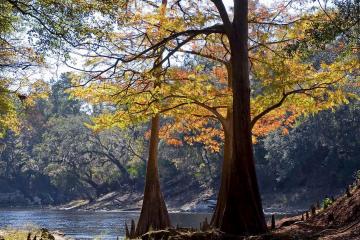
Identifies, evaluates, and establishes priorities for the Division of Recreation and Parks’ land acquisition program.
Each state park or state trail in the Florida State Parks system has a unit management plan that is reviewed every 10 years. Citizens are given the opportunity to provide comments and suggestions.
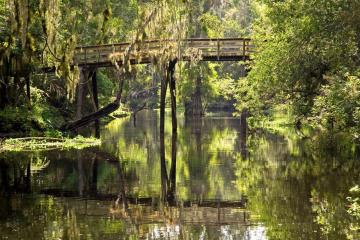
Provides statewide leadership and coordination to establish, expand and promote the Florida Greenways and Trails System.
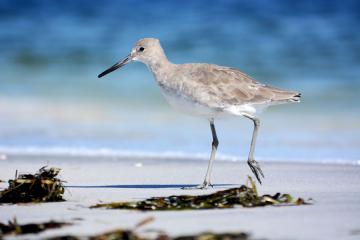
The Office of Park Planning provides a wide range of technical support and professional services beneficial to management of the Florida Park Service.
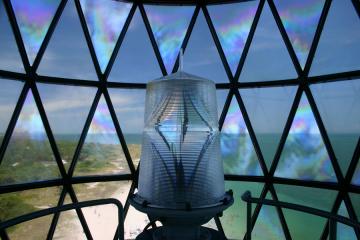
The Mapping and Database Management Section maintains a well-organized, comprehensive repository of assets located in state parks.
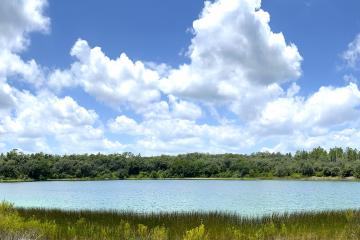
Florida Department of Environmental Protection Division of Recreation & Parks Northeast District The Office of Park Planning has developed an innovative approach to land planning for Florida...

The Statewide Comprehensive Outdoor Recreation Plan (SCORP) is the state’s official document regarding outdoor recreation planning.
Interested in subscribing to DEP newsletters or receiving DEP updates through email?
Sign UpThe Florida Department of Environmental Protection is the state’s lead agency for environmental management and stewardship – protecting our air, water and land. The vision of the Florida Department of Environmental Protection is to create strong community partnerships, safeguard Florida’s natural resources and enhance its ecosystems.
Learn More