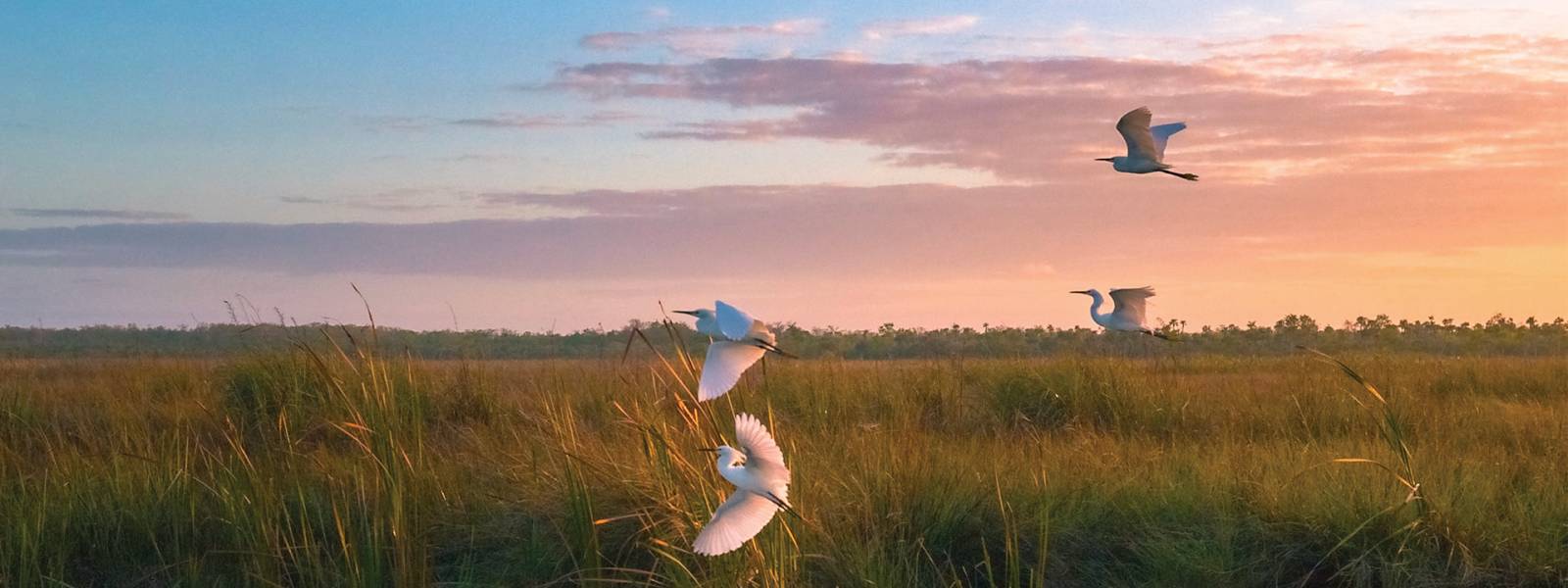
A federal court order was issued just before midnight on Feb. 15, 2024, divesting, at least for now, DEP of its authority to issue State 404 Program permits in Florida. Consequently, all activity under the State 404 Program is paused until further order of the court.
Learn More
The Governor’s Executive Order directs strategic action with a focus on accountability, transparency and collaboration, and we must work together to take action to restore and protect the environment.
Learn More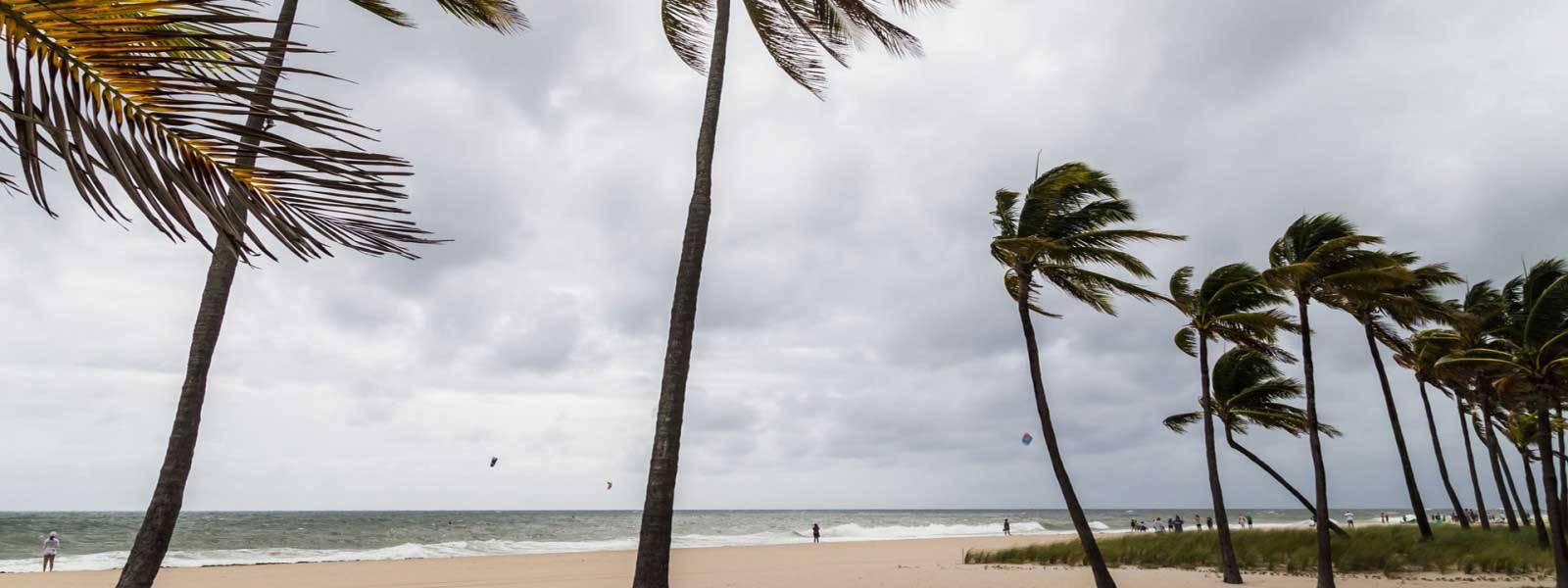
Click below for the Florida Hurricane Restoration Reimbursement Grant Program
Learn More
DEP, through statutory authority, is responsible for the administration, supervision, development, and conservation of Florida's natural resources.
Learn More
Keeping Florida’s residents and visitors updated on current algal bloom monitoring and response.
Learn More
The Blue-Green Algae Task Force supports key funding and restoration initiatives focusing on expediting water quality improvements.
Learn More
Learn something new about Florida’s environment! Coloring pages, story maps and other activities invite learners of all ages to explore the land, the waterways and the plants and animals in Florida and beyond.
Learn More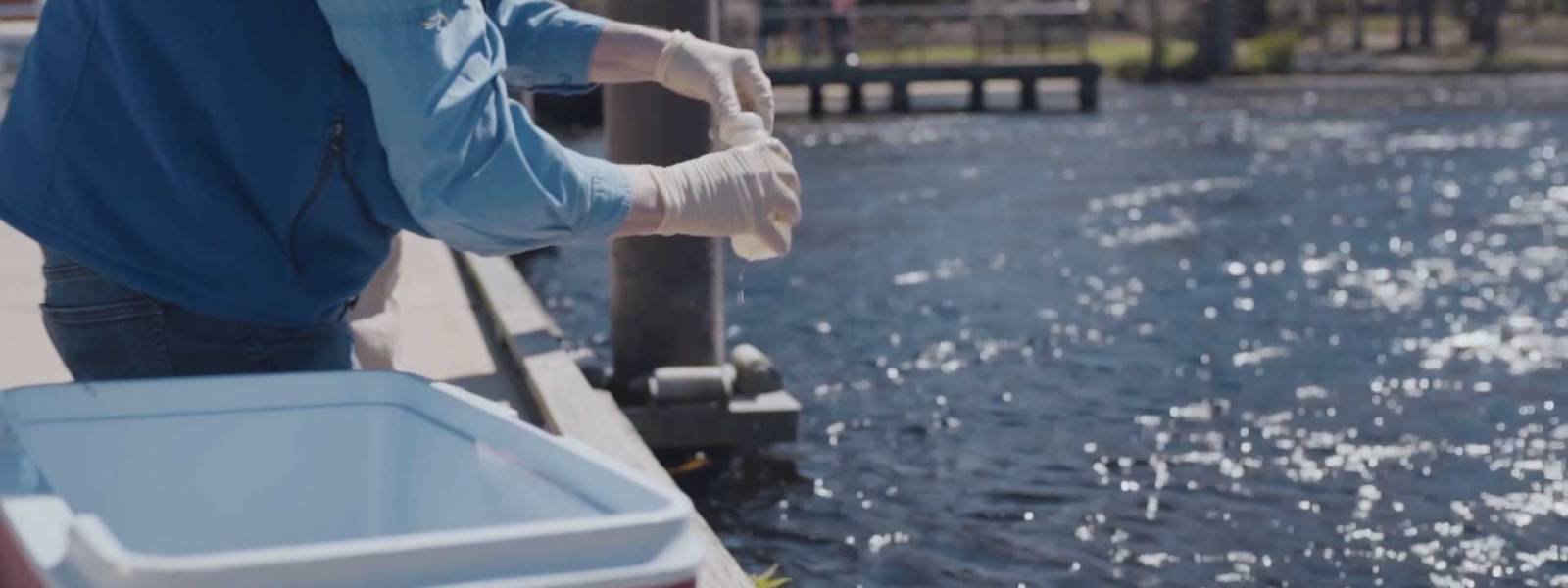
DEP is committed to keeping Floridians updated on current algal blooms conditions and state response efforts. Subscribe to receive weekly status updates.
Learn More
Explore beach access locations, aquatic preserves, Florida GeoSites and more with interactive maps.
Learn More
Our Lands. Our Legacy. Learn more about the benefits of public lands, the recreational opportunities they provide, and the resources they protect.
Learn More
Air quality monitoring • Air emission permitting and compliance • Power plant, transmission line and natural gas pipeline certification
Learn More

Buy, sell and lease state lands • Land management and conservation programs • Florida Forever
Learn More

State parks, trails, aquatic preserves and national estuarine research reserves • Ecotourism
Learn More

Solid and hazardous waste permitting and compliance • Petroleum storage systems • State recycling program • Contaminated site cleanup
Learn More

State water policy • Water resources
permitting and compliance • Water
quality standards and restoration
plans • Grant and loan programs
Learn More
Mission • Vision and goals • Office of the Secretary • Organization chart • Performance dashboard • Career opportunities
Learn More

The Document Resource Hub Search includes publications and forms available to the public that are stored on DEP’s website.
Additional resources, including DEP’s historical documentation is available on OCULUS, DEP's Electronic Management System.
Or try DEP's Enterprise Information Portal for access to more information including mapping and document links.
In Case You Missed It: Governor Ron DeSantis Highlights Investments to Strengthen Florida’s Commitment to Conserving our Natural Resources
Read More
In Case You Missed It: Governor Ron DeSantis Highlights Investments in Strengthening and Fortifying Florida
Read More
In Case You Missed It: SFWMD Celebrates Ribbon Cutting to Support Everglades Restoration and Mitigate Flooding
Read More
Interested in subscribing to DEP newsletters or receiving DEP updates through email?
Sign UpThe Florida Department of Environmental Protection is the state’s lead agency for environmental management and stewardship – protecting our air, water and land. The vision of the Florida Department of Environmental Protection is to create strong community partnerships, safeguard Florida’s natural resources and enhance its ecosystems.
Learn More