The Division of Environmental Assessment and Restoration is charged with monitoring and assessing Florida's surface water and groundwater quality; identifying, verifying and prioritizing pollution problems; developing strategies to resolve the problems; and implementing those strategies through comprehensive restoration actions in partnership with local stakeholders.
The department's laboratory is housed in the division and is integral to fulfilling the division's responsibilities and supporting other department programs and objectives. In summary, DEAR:
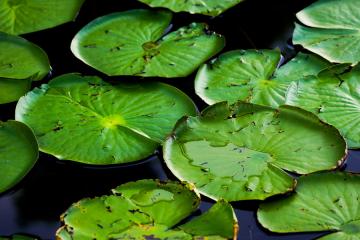
Biological assessment is an applied scientific discipline that uses the response of resident aquatic biological communities to various stressors as a method of evaluating ecosystem health.
Provides chemical, biological and other analyses for samples collected by DEP and other state and federal agencies.
Provides training on how to minimize impacts caused by erosion and sedimentation on construction sites.
Provides technical guidance and support for sample collection and analytical tests related to chemistry, microbiology, toxicity, taxonomic identification and other bioassessment procedures.
Provides logistical support to fulfill the data collection requirements for the Status and Trend Monitoring Networks and the Strategic Monitoring Program.
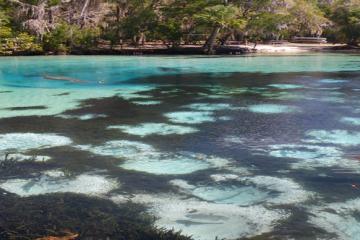
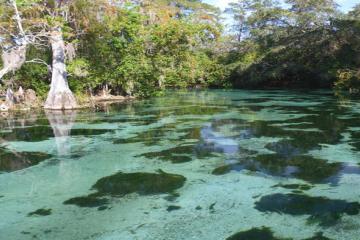
Monitors the quality of the state's surface and groundwater resources.
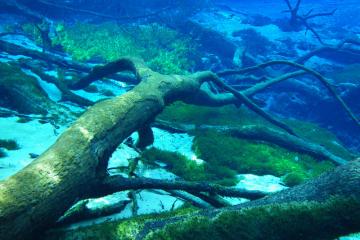
Includes two sections: Watershed Evaluation and TMDL and Watershed Assessment
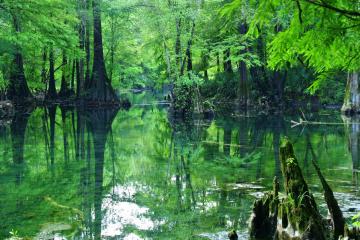
Focuses on BMAPs; agricultural pollution prevention; guidance, training and education pertaining to Florida Friendly Landscapes and stormwater erosion control; and fertilizer ordinance review.
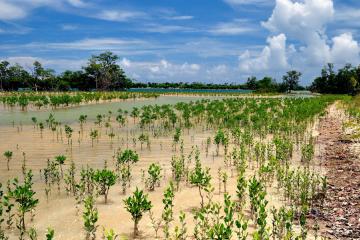
Reviews, establishes and revises state water quality standards; reviews petitions for waterbody use classification changes; and provides guidance on the implementation of antidegradation policies.
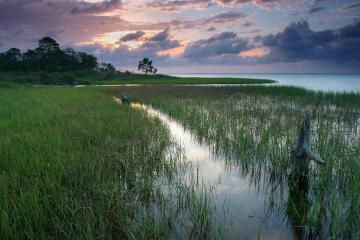
Responsible for the development of water quality standards, the Triennial Review of water quality standards, coordination of bioassessment training and implementation, and providing technical support.
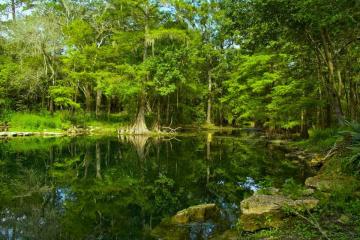
Uses best available information to identify waterbodies and water segments that are not meeting applicable water quality standards and designated uses based on the Impaired Waters Rule.
Gathers water samples from rivers, streams, lakes, canals, and wells around the state; laboratory scientists measure the levels of certain “indicator” substances in each sample.
Interested in subscribing to DEP newsletters or receiving DEP updates through email?
Sign UpThe Florida Department of Environmental Protection is the state’s lead agency for environmental management and stewardship – protecting our air, water and land. The vision of the Florida Department of Environmental Protection is to create strong community partnerships, safeguard Florida’s natural resources and enhance its ecosystems.
Learn More