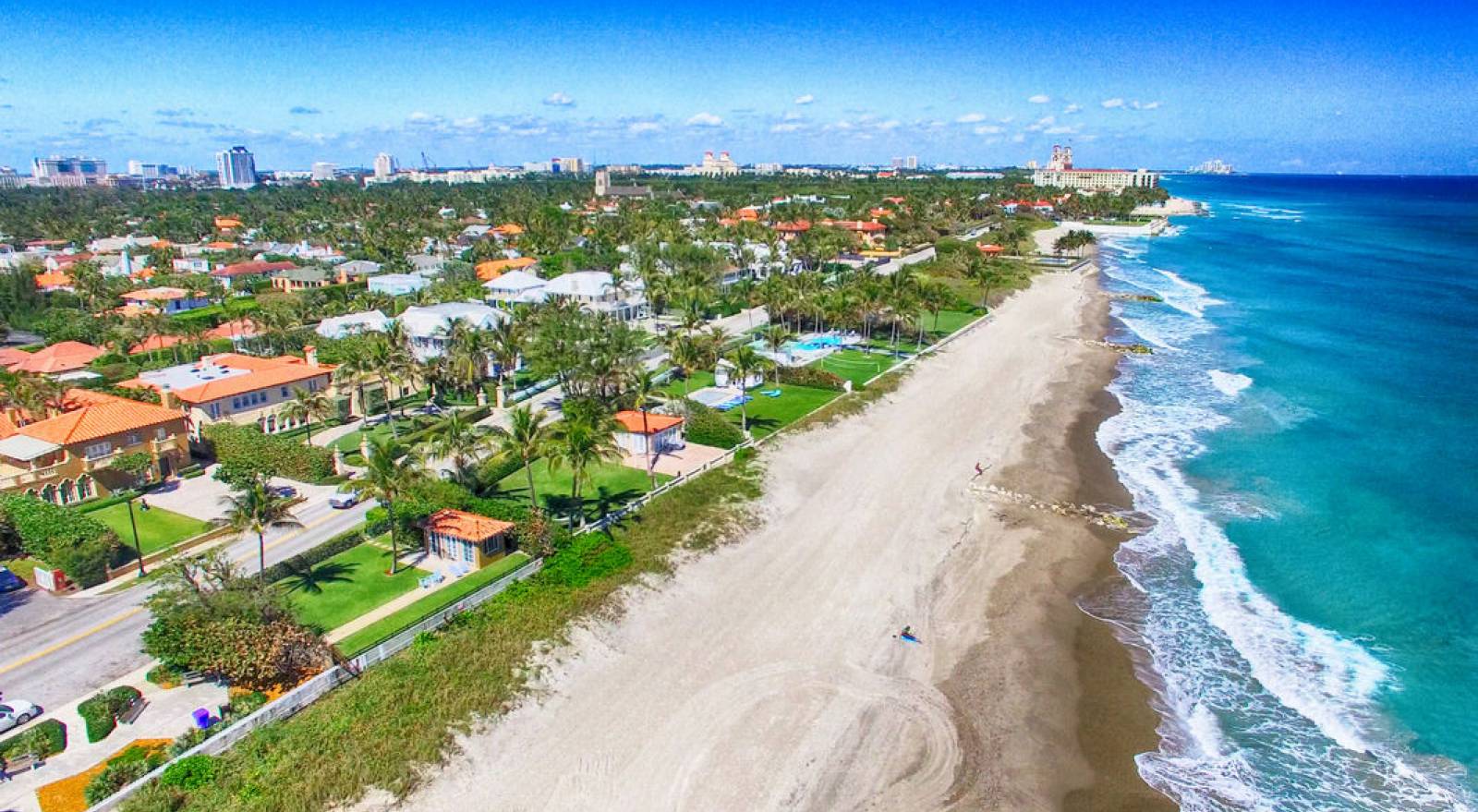
Sustainable Initiatives are voluntary, non-regulatory programs within the Department of Environmental Protection that assist Florida industry and residents in protecting Florida’s environment. The goal of the Sustainable Initiatives Programs is to promote sustainability in Florida businesses, schools and homes.
Sustainability is meeting the needs of the present population without compromising the ability of future populations to meet its needs.
Sustainable Initiatives Programs are the Florida Green Lodging Program and the Florida Green School Designation Program.
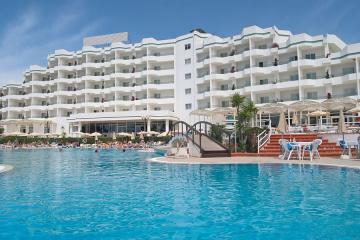
Designation and recognition program for lodging facilities that make a commitment to conserve and protect Florida's natural resources.

Environmental guidelines help Florida primary and secondary schools evaluate operations, set goals and take specific actions to improve environmental performance.
None available at this time.
None available at this time.
Interested in subscribing to DEP newsletters or receiving DEP updates through email?
Sign UpThe Florida Department of Environmental Protection is the state’s lead agency for environmental management and stewardship – protecting our air, water and land. The vision of the Florida Department of Environmental Protection is to create strong community partnerships, safeguard Florida’s natural resources and enhance its ecosystems.
Learn More