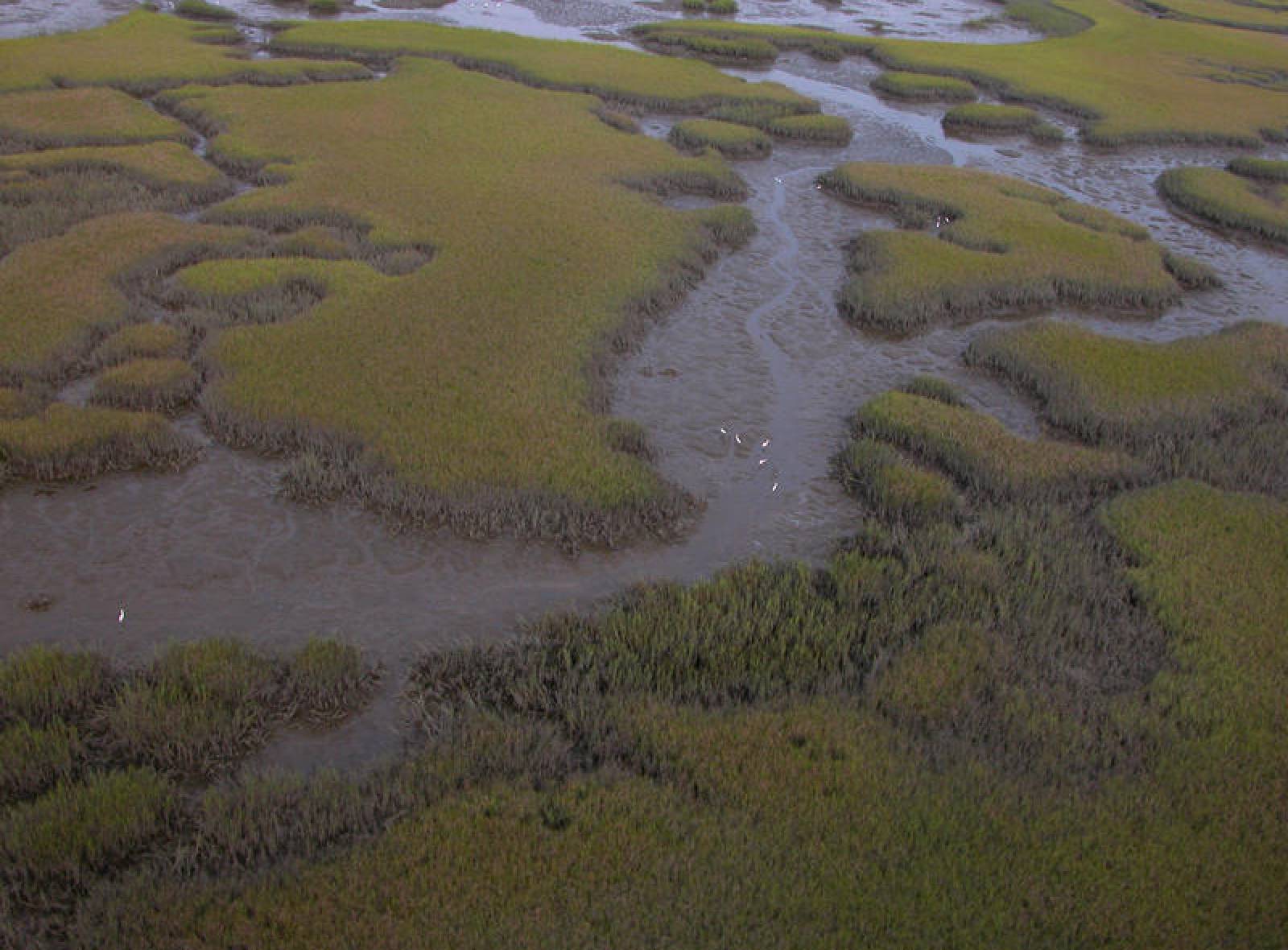
Florida is the only state in the continental United States with extensive shallow coral reef formations near its coasts. Coral reefs create specialized habitats that provide shelter, food and breeding sites for numerous plants and animals. This includes ones important to fishing like spiny lobster, snapper and grouper. Coral reefs lay the foundation of a dynamic ecosystem with tremendous biodiversity.
Florida's Coral Reef stretches approximately 360 linear miles from Dry Tortugas National Park west of the Florida Keys to the St. Lucie Inlet in Martin County. Roughly two-thirds of Florida's Coral Reef lies within Biscayne National Park and the Florida Keys National Marine Sanctuary, a marine protected area that surrounds the Florida Keys island chain. The reefs stretching north of Biscayne National Park and the marine sanctuary are managed by the Florida Department of Environmental Protection's Coral Reef Conservation Program (CRCP) with insight from the Southeast Florida Coral Reef Initiative, which is one of several programs administered by the CRCP.
On July 1, 2018, this northern third of the reef was designated by the Florida Legislature as the Kristin Jacobs Coral Reef Ecosystem Conservation Area (formerly the Southeast Florida Coral Reef Ecosystem Conservation Area).
Florida's Coral Reef came into existence 10,000 years ago when sea levels rose following the last Ice Age. Reef growth is relatively slow; individual colonies grow only one-half inch to seven inches a year, depending on the species. Coral reefs are in a constant state of flux, where new polyps (the living tissue) grow on the outer surface while their skeleton erodes to help make the white sand for our beaches. During long periods of favorable conditions, the reefs may reach awe-inspiring heights and diversity.
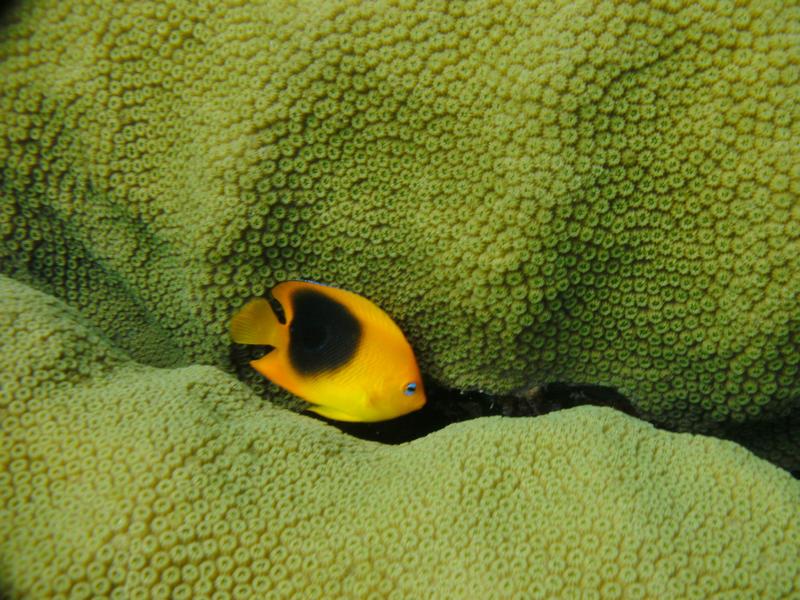
Corals are animals that have a symbiotic relationship with microscopic algae. The corals benefit from the nutrients and oxygen that the symbionts provide through photosynthesis, and the symbionts receive nutrients and protection from the corals. The symbionts also give the corals their beautiful spectrum of colors.
Coral reef development occurs only in areas with specific environmental characteristics: a solid structure for attachment, relatively high water temperatures, clear waters low in phosphate and nitrogen nutrients, and moderate wave action to disperse waste and bring oxygen and plankton to the reef. Most of Florida's sport fish species and many other marine animals spend significant parts (particularly during their younger development stages) of their lives on or around Florida's Coral Reef and associated ecosystems.
The three major types of coral reefs around the world are atolls, fringing reefs and barrier reefs. Florida's Coral Reef most closely resembles a barrier reef; however, the reefs are closer to shore and they lack the shallow inshore lagoons found on most barrier reefs. For this reason, Florida's Coral Reef is more aptly referred to as a barrier bank reef. Florida also has patch reefs, which grow in shallower water in between the reef and land. Patch reefs are typically small (the size of a backyard or a small home).
Corals can generally be divided into two main categories: stony corals and octocorals (sea fans, sea whips and other soft corals). More than 45 species of stony corals and 35 species of octocorals are found along Florida's Coral Reef. Each kind lives in a separate colony that is shaped differently. Marine sponges are also very important within the coral reef community, and more than 70 species can be found along the reef.
Stony corals are the major reef architects. Polyps, the living portion of corals, extract calcium from seawater and combine it with carbon dioxide to construct the elaborate limestone skeletons that form the reef backbone.
Historically, Florida's reef-building corals were brain, star and elkhorn. Brain coral is dome-shaped and has the waves, folds and ridges that resemble those of a human brain. Star coral is also dome-shaped but has a distinctive star pattern on its surface that is caused by the accordion-like folds within its polyp cups. Elkhorn and a similar coral called staghorn are so named because their branchlike projections resemble the antlers of those animals.
In recent years, corals have experienced declines due to a combination of global and local factors including high ocean temperatures resulting in more frequent coral bleaching events, coral disease, poor water quality associated with land-based sources of pollution, planned and unplanned impacts resulting in direct physical industry, and other human impacts. In 2006, elkhorn and staghorn coral were listed as threatened species under the Endangered Species Act, and then in 2014 the boulder star coral, mountainous star coral, lobed star coral, rough cactus coral and pillar coral were also added.
Florida’s Coral Reef has also been experiencing an ongoing coral disease outbreak termed stony coral tissue loss disease. First reported in 2014 off the coast of Miami-Dade County, this outbreak has spread to the northern and southernmost extent of the reef, affecting more than half of Florida’s reef-building corals. The Florida Department of Environmental Protection, Florida Fish and Wildlife Conservation Commission, National Oceanic and Atmospheric Administration, and National Park Service are leading a collaborative, multi-faceted response effort. Learn more about stony coral tissue loss disease.
To help restore the health and abundance of these corals throughout the reef, coral nurseries have been established along Florida's coast and in the Florida Keys. Land-based and water nurseries have been growing new colonies for relocation to reef sites where they had once flourished.
Learn more about Florida's Coral Reef.
Interested in subscribing to DEP newsletters or receiving DEP updates through email?
Sign UpThe Florida Department of Environmental Protection is the state’s lead agency for environmental management and stewardship – protecting our air, water and land. The vision of the Florida Department of Environmental Protection is to create strong community partnerships, safeguard Florida’s natural resources and enhance its ecosystems.
Learn More