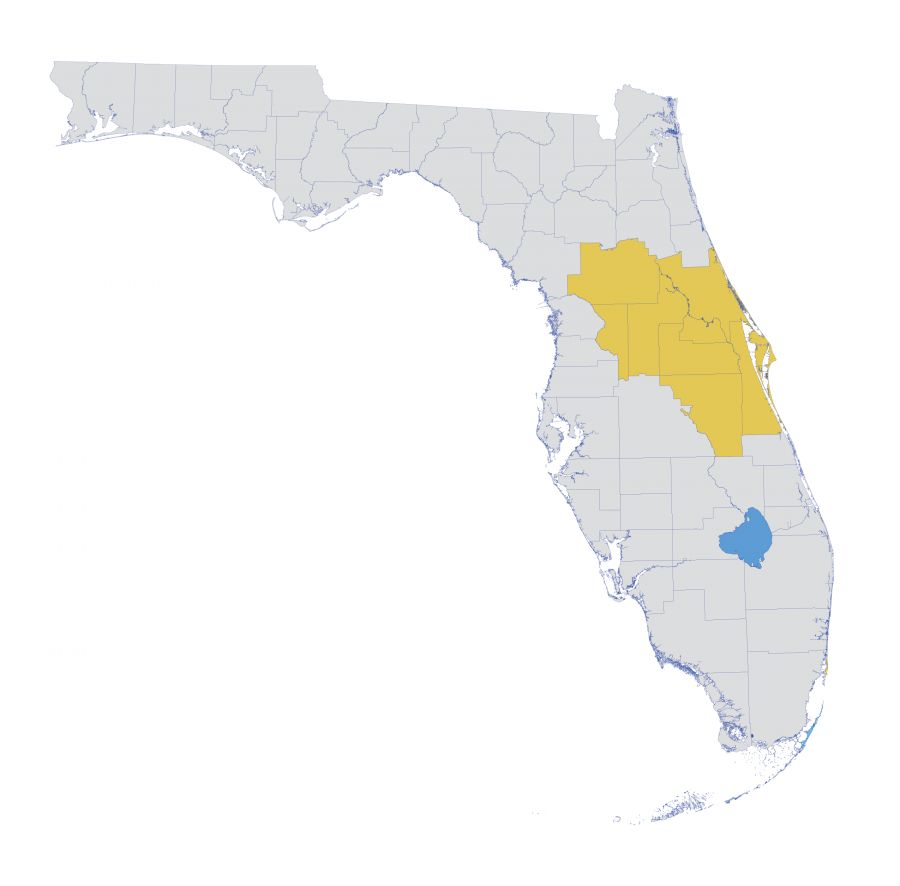

DEP's Central District encompasses over 9,000 square miles and eight counties (Brevard, Lake, Marion, Orange, Osceola, Seminole, Sumter, Volusia). The district is home to:
The Central District implements environmental regulatory programs regarding air, water, waste, wetlands and state lands. The district's primary functions are permitting, compliance assistance, outreach and enforcement.
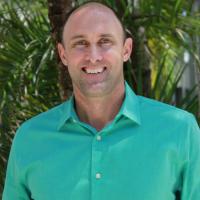
Aaron has been with the Central District for more than 20 years and has served in many positions, including environmental specialist, issuing permits in the Submerged Lands & Environmental Resource Coordination program, environmental manager and as the Central District's assistant director. Aaron was honored with a DEP Star Award and was recognized for building regulatory partnership initiatives and serving the residents of Florida.
Prior to his work with the department, Aaron worked with the Environmental Protection Agency in the Oil Spill SPCC Compliance program where he assisted with cleanup efforts, including monitoring, research, analysis and recommendations. Aaron is a graduate of the Florida Institute of Technology, where he earned degrees in Biological Oceanography and Chemical Oceanography.
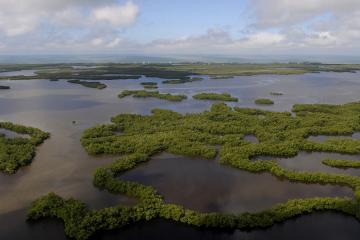
DEP's goal is to partner with communities and businesses to protect natural resources and promote economic growth.
Contact the ombudsman with questions, concerns, public records and legislative requests, media inquiries and outreach opportunities.
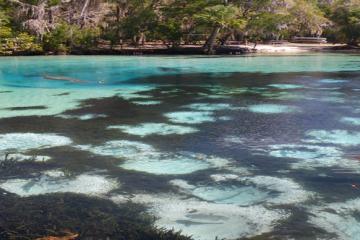
Central District works with stakeholders to draft environmental permits in the shortest time possible. The district also oversees cleanup of contaminated sites.
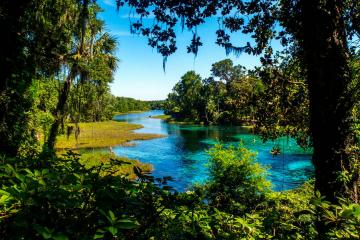
Learn about the Central District's organization and business plan and find contact information for staff members.
Interested in subscribing to DEP newsletters or receiving DEP updates through email?
Sign UpThe Florida Department of Environmental Protection is the state’s lead agency for environmental management and stewardship – protecting our air, water and land. The vision of the Florida Department of Environmental Protection is to create strong community partnerships, safeguard Florida’s natural resources and enhance its ecosystems.
Learn More